
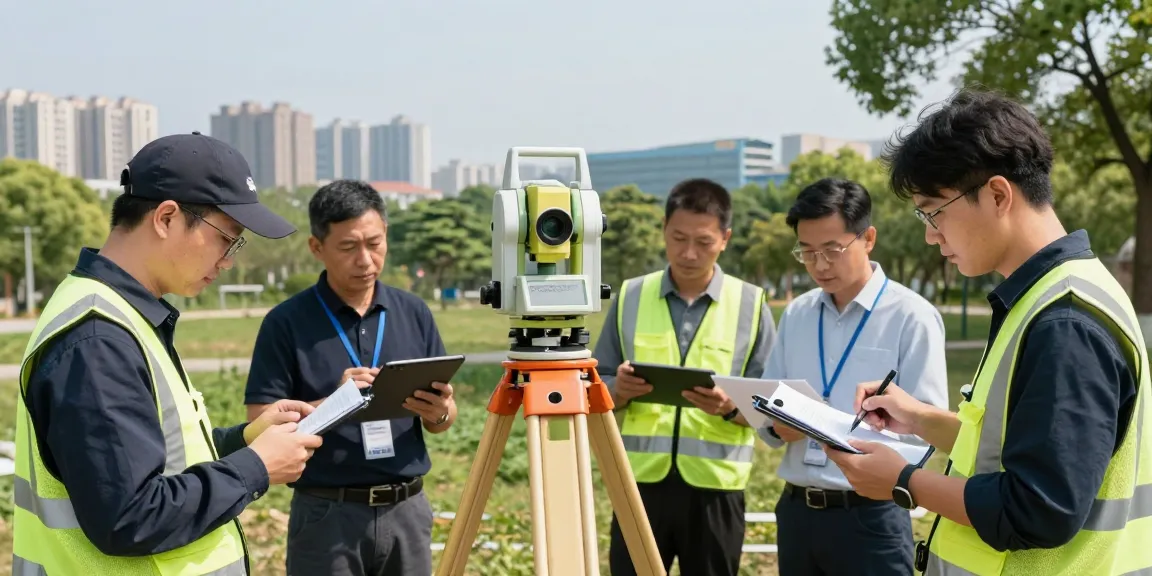
Understanding Measured Building Surveys
In the ever-evolving world of construction and architecture, precise measurements and detailed documentation are paramount for the successful execution of projects. Measured building surveys, as a significant aspect of this process, provide critical data necessary for planning, designing, and executing building projects. They are undertaken by skilled professionals who use advanced technology to produce accurate representations of existing buildings. Understanding the nuances of Measured Building Surveys london & Surrey & Sussex can lead to more informed decision-making and ultimately, project success.
What Are Measured Building Surveys?
Measured building surveys are comprehensive assessments that involve the meticulous measurement of a building’s dimensions and structural features. These surveys create detailed floor plans, elevations, sections, and 3D models of buildings. Conducted using high-tech tools such as laser scanners and total stations, these surveys yield precise data essential for architects, engineers, and contractors during various phases of construction, renovation, or property development.
Importance of Measured Building Surveys in Construction
The significance of measured building surveys cannot be overstated. They serve multiple purposes including:
- Accuracy in Planning: By providing exact dimensions and layouts, these surveys help avoid costly errors during construction.
- Regulatory Compliance: Surveys ensure that building designs comply with local regulations and planning requirements.
- Historical Documentation: For heritage buildings, surveys preserve architectural details for restoration and renovation purposes.
- Space Management: Understanding the existing space allows for better planning of future expansions or renovations.
Key Services Offered in Measured Building Surveys
Companies like Cadmap Ltd offer a variety of services under the umbrella of measured building surveys, including:
- 2D Floor Plans: Detailed layouts of each level of the building.
- 3D Modelling: Comprehensive three-dimensional representations for enhanced visualization.
- Elevation Drawings: Vertical representations that showcase the facades of the structure.
- Section Drawings: Cross-sectional views that illustrate the internal structure.
- As-Built Drawings: Precise representations of buildings post-construction to document the actual conditions.
Choosing the Right Surveying Company
Selecting an appropriate surveying firm is crucial for ensuring quality and accuracy in measured building surveys. A professional company will have the necessary credentials and experience to deliver comprehensive services tailored to client needs.
Key Qualifications to Look For
When evaluating surveying companies, consider the following qualifications:
- Accreditations: Look for affiliations with professional bodies such as The Survey Association (TSA).
- Experience: Choose firms with a proven track record in conducting measured building surveys.
- Technological Expertise: Ensure they utilize modern surveying equipment and software.
- Client-Centric Approach: A reputable firm will prioritize client communication and satisfaction.
Comparing Services and Pricing
Cost is a significant factor in choosing a surveying company, but it should not be the only consideration. Comparing services offered, in addition to costs, helps in finding a company that delivers value for money. Inquire about:
- Inclusions in the survey package (e.g., 3D models, detailed reports).
- Turnaround time for delivery of survey results.
- Follow-up services such as revisions or additional consultations.
Reading Client Testimonials and Case Studies
Client testimonials and case studies can provide insight into a company’s reliability and quality of service. Assess their reputation through:
- Online reviews and ratings on platforms like Google and Trustpilot.
- Case studies that showcase previous projects, especially those comparable to your needs.
Technologies Used in Measured Building Surveys
Technology is at the heart of modern surveying practices. Understanding the equipment and techniques used can provide confidence in the accuracy and reliability of the results.
Modern Equipment Utilised for Accuracy
Surveying companies employ various advanced technologies to ensure precision. Some of the commonly used equipment includes:
- Robotic Total Stations: For precise distance and angle measurements.
- Laser Scanners: To create highly detailed 3D models of structures.
- GPS Systems: For accurate positioning and location tracking.
Benefits of Ground Penetrating Radar Technology
Ground Penetrating Radar (GPR) is a cutting-edge technology used in measured building surveys to locate underground utilities and assess structural integrity. The benefits of GPR include:
- Non-Invasive Detection: GPR allows for the mapping of subsurface structures without invasive digging.
- Improved Safety: By identifying utilities before excavation, GPR reduces the risk of damaging existing services.
- Time Efficiency: Quickly gathers data that aids in faster decision-making.
3D Modelling and Its Impact on Survey Quality
3D modelling is revolutionizing the way surveys are conducted and visualized. The advantages include:
- Enhanced Visualization: Clients can better understand complex structures through three-dimensional representations.
- Data Integration: 3D models can incorporate various data types for comprehensive analysis.
- Collaborative Planning: Facilitates easier communication among architects, engineers, and stakeholders.
Common Challenges in Measured Building Surveys
Despite advancements in technology, measured building surveys can encounter various challenges. Awareness of these issues helps in planning effectively.
Addressing Misconceptions about Accuracy
One prevalent misconception is that technology guarantees complete accuracy. While modern tools significantly enhance precision, factors such as site conditions and operator expertise also play critical roles. It is essential to discuss potential limitations with your surveying provider.
Overcoming Obstacles in Complex Projects
Large or intricate projects often present unique challenges, including:
- Access limitations due to site conditions or ongoing construction.
- Coordination with multiple stakeholders, which can complicate timelines.
- Adapting to unexpected findings during the survey process.
How to Manage Changing Regulations
The construction industry is subject to evolving regulations that can impact surveying practices. Staying informed about these changes involves:
- Regularly consulting official resources and updates from local authorities.
- Engaging a surveying firm that is proactive in adhering to new regulations.
- Incorporating compliance checks as part of the surveying process.
Future Trends in Measured Building Surveys
As the industry continues to grow and adapt, various trends are shaping the future of measured building surveys. Keeping an eye on these trends can provide competitive advantages.
Innovations Shaping the Surveying Industry by 2026
Technological advancements are leading the way for innovations in measured building surveys, including:
- Artificial Intelligence: AI is expected to assist in data analysis and improve surveying precision.
- Cloud Technology: Enhances data sharing and collaboration among project teams.
- Integration of BIM: Building Information Modelling will streamline project workflows and enhance data accuracy.
Environmental Considerations and Best Practices
As sustainability becomes increasingly crucial in construction, surveying practices are adapting to incorporate environmentally responsible methods. This includes:
- Utilizing eco-friendly materials and equipment.
- Implementing digital processes to decrease paper usage.
- Conducting surveys with minimal disruption to the surrounding environment.
Predicted Developments in Surveying Technology
Future developments in surveying may include advancements in:
- Drone technology for aerial surveying.
- Increased accuracy from enhanced GPS systems.
- Integration of augmented reality for real-time visualization during planning.
What are the different types of measured building surveys?
Measured building surveys can be categorized into several types, including:
- Internal measured surveys for detailed room dimensions and features.
- External measured surveys focusing on the building’s facade and site layout.
- Topographical surveys that provide detailed site characteristics.
How long does a measured building survey take?
The duration for completing a measured building survey varies based on factors such as project complexity and size. Generally, smaller surveys can be completed in a few days, while larger or more detailed surveys might take several weeks.
What factors influence the cost of measured building surveys?
Survey costs can fluctuate based on:
- The size and complexity of the building.
- The level of detail required in the survey.
- Accessibility challenges at the site.
How can I prepare for a measured building survey?
Preparing for a measured building survey involves:
- Ensuring site access for surveyors.
- Providing any existing plans or documents related to the building.
- Clearing the area of obstacles that may impede the survey process.
Are measured building surveys necessary for planning applications?
Yes, many planning applications require measured building surveys to provide accurate information about existing structures. These surveys aid in assessing the suitability of proposed plans.